
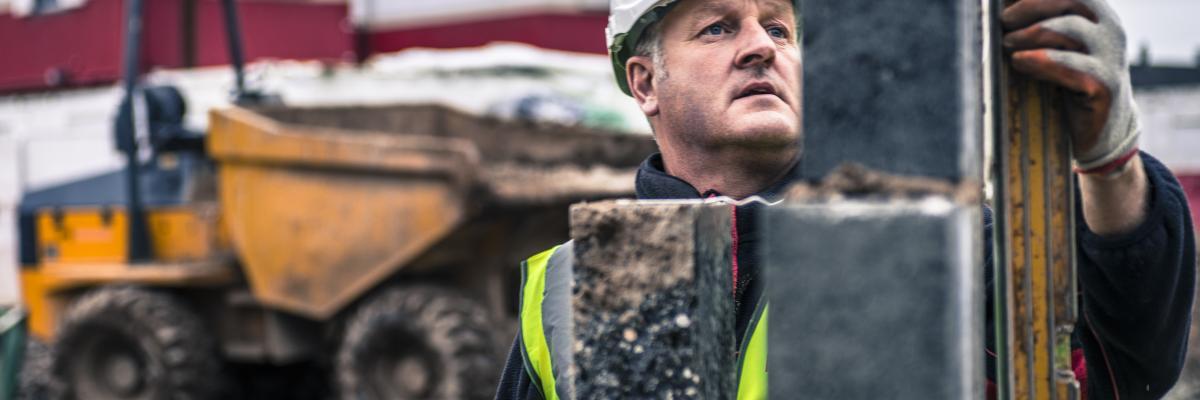
Phase 1: Inspection
The initial week will be an inspection period to determine the severity of flooding, depending on the results a new timeline for the work done will be developed for the restoration phase of the project.
Water damage can also fit into four distinct classifications. The classifications distinguish between the amount of water present, what materials it has affected, and how difficult it will be to remove. The classification numbers are in ascending order — class one damage is the least dangerous while class four damage is the most severe.
We encourage you to provide any feedback, questions, or concerns on our discussion post at the bottom of the page, for urgent requests or concerns you can contact us directly on our contact page.
View Contact Page
Class One
Class one damage is the least severe. It involves a minimal amount of water leakage onto low-porosity materials. Porous materials allow more water absorption, so water damage on low-porosity materials is ideal. An example of class one water damage might include an overflowed toilet on a tile floor. Once you’ve removed the bulk of the water, drying will be easy.
Class Two
Class two damage entails a more significant amount of water on medium to high-porosity surfaces. You’ll have to remove a greater quantity of water, and it will take longer to dry. This damage might result from a broken pipe, causing water to seep into a gypsum board wall.
Class Three
If a large amount of water affects a high-porosity material, this is class three. A lot of water removal and evaporation will be necessary for the water damage extraction process. A storm leak covering a carpeted floor might fit into class three damage.
Class Four
This classification involves a great deal of water trapped in confined spaces and affecting porous materials. Cleaning up class four water requires special water damage restoration equipment. An example of class four water damage might include stormwater seeping into wall and floor systems. That damage requires extensive structural drying and dehumidifying.

Roll-out steps
- Determine if it’s safe to stay in the surrounding buildings
- Turn off Electricity and Be Wary of Hazards
- Shut off the Water Valve
- Determine What Kind of Water It Is
Roll-out steps information

Comments
I'm not opposed to this, but how much noise should I expect from this in my neighborhood?
Great question! We will need to rip up a bit of the road to see the class of flood damage, it should only be a one-day process to expose the process. Once we know more about the type of damage we can inform more about the process. Unfortunately, residents within a one-block radius will likely hear a lot of noise, to help reduce the noise we recommend keeping your windows shut.
What roads are going to be blocked off for this project?
testing a *******
Great to see this initiative starting! If you received this comment, let Charlotte know.